School: Naked Yoga

As we reflect on the Naked Yoga School and its practices, we are reminded that yoga is a complex and multifaceted tradition that offers a range of approaches and perspectives. Whether we practice yoga in a state of nudity or clothing, the ultimate goal is the same: to cultivate awareness, compassion, and connection with ourselves and the world around us. As we continue to explore and evolve as a global yoga community, it is essential that we approach this practice with an open mind, a willingness to learn, and a deep respect for the diversity of human experience.

The school's approach is also influenced by the concept of "nagna," which refers to the state of being free from attachments and ego. By shedding their clothes, students are encouraged to shed their inhibitions and conditioning, allowing them to experience a sense of freedom and liberation. This approach is rooted in the idea that our bodies are natural and beautiful, and that we should learn to love and accept them as they are. naked yoga school

The Naked Yoga School was founded by Mathew Stryker, an American yoga instructor, in 2004. Stryker, who had been practicing yoga since the 1980s, was inspired by the ancient Indian tradition of nagnata, which involved practicing yoga in a state of nudity to cultivate a sense of inner awareness and connection with nature. Stryker's vision was to create a space where people could practice yoga without the distractions of clothing, allowing them to focus on their breath, body, and inner selves. As we reflect on the Naked Yoga School

The Naked Yoga School offers a unique approach to yoga that challenges traditional cultural and social norms around nudity and modesty. By practicing yoga in a state of nudity, students are encouraged to cultivate a sense of inner awareness, self-acceptance, and self-love. While the practice has been met with controversy and criticism, it has also attracted a dedicated following of individuals who value the benefits of naked yoga. The school's approach is also influenced by the



Commentary volume

Commentary volume

Lazzat al-nisâ (The pleasure of women)

Bibliothèque nationale de France


CONTENTS
 
  • From the Editor to the Reader
 
  • Lazzat al-nisâ and Its Significance in the Erotic Literature of the Persianate World.
Hormoz Ebrahimnejad (University of Southampton)
 
  • Lazzat al-nisâ. Translation.
Willem Floor (Independent Scholar), Hasan Javadi (University of California, Berkeley) and Hormoz Ebrahimnejad (University of Southampton)


ISBN : 978-84-16509-20-1

Commentary volume available in English, French or Spanish.

Lazzat al-nisâ (The pleasure of women) Bibliothèque nationale de France


Descripcion

Description

Lazzat al-nisâ (The pleasure of women)

Bibliothèque nationale de France


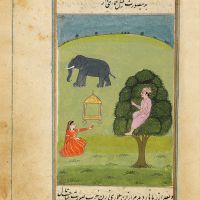
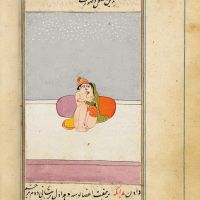
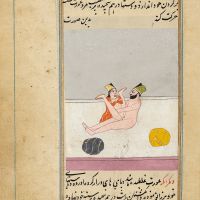
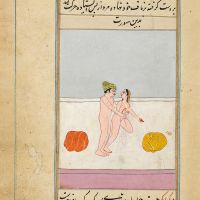
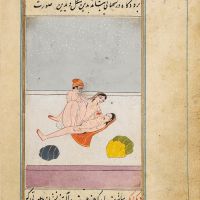
In Muslim India numerous treatises were written on sexology. Many of them included prescriptions concerning problems dealing with virility or, more precisely, with masculine sexual arousal. The Sanskrit text which is considered the primary source for all Persian translations is known as the Koka Shastra (or Ratirahasya) —derived from its author’s name, Pandit Kokkoka—, a title that was later given to all treatises in the genre. The Koka Shastra by Kokkoka was probably not the only such text known to Muslim authors.

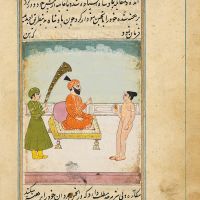
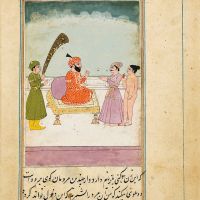
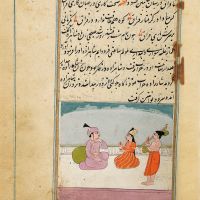
The Lazzat al-nisâ is a Persian translation of the Koka Shastra, which contains descriptions of the four different types of women and indicates the days and hours of the day in which each type is more prone to love. The author quotes all the different works he has consulted, which have not survived to this day.


As we reflect on the Naked Yoga School and its practices, we are reminded that yoga is a complex and multifaceted tradition that offers a range of approaches and perspectives. Whether we practice yoga in a state of nudity or clothing, the ultimate goal is the same: to cultivate awareness, compassion, and connection with ourselves and the world around us. As we continue to explore and evolve as a global yoga community, it is essential that we approach this practice with an open mind, a willingness to learn, and a deep respect for the diversity of human experience.

The school's approach is also influenced by the concept of "nagna," which refers to the state of being free from attachments and ego. By shedding their clothes, students are encouraged to shed their inhibitions and conditioning, allowing them to experience a sense of freedom and liberation. This approach is rooted in the idea that our bodies are natural and beautiful, and that we should learn to love and accept them as they are.
The Naked Yoga School was founded by Mathew Stryker, an American yoga instructor, in 2004. Stryker, who had been practicing yoga since the 1980s, was inspired by the ancient Indian tradition of nagnata, which involved practicing yoga in a state of nudity to cultivate a sense of inner awareness and connection with nature. Stryker's vision was to create a space where people could practice yoga without the distractions of clothing, allowing them to focus on their breath, body, and inner selves.

The Naked Yoga School offers a unique approach to yoga that challenges traditional cultural and social norms around nudity and modesty. By practicing yoga in a state of nudity, students are encouraged to cultivate a sense of inner awareness, self-acceptance, and self-love. While the practice has been met with controversy and criticism, it has also attracted a dedicated following of individuals who value the benefits of naked yoga.

Cookie preferences

We use our own and third-party cookies to improve our services by analyzing your browsing habits. For more information, you can read our cookie policy. You can accept all cookies, configure them, or reject their use by clicking one of the buttons below.