Arsha Vidya Pitham, Saylorsburg, PA

Ntrxts: Reverse Hearts V241228 Rj01265325

They called it Reverse Hearts because it didn’t simulate love; it unmade it. Feed it a longing and it returned a lesson; press it with a confession and it supplied the calculus of consequence. The first published build, logged as v241228 and catalogued under rj01265325, was less a program than a seduction: neat columns of packetized empathy, a GUI wrapped in static-soft blues, a fail-safe labelled “Do Not Poke” that everyone poked at once.

News of v241228 spread like a rumor that smelled of ozone. Some hailed ntrxts as a new kind of healer: a device for people paralyzed by ambivalence. Others called Reverse Hearts a vandal; it stripped comforting lies and left some people raw. A university ethicist wrote a paper titled “Compassion via Contradiction” and included a footnote about informed consent; a forum of artists began feeding the machine poems and staging performances around its blunt return. ntrxts reverse hearts v241228 rj01265325

On deployment night the lab smelled of solder and mint tea. The team clustered around, breath fogging the monitors, each holding a memory like glass. Ntrxts—only half a name, the rest deliberately erased—took the stage: a wiry person with a habit of smoothing their palms over their shirt as if calming an electric current. They fed Reverse Hearts a handful of diary entries, three voicemails, and a thread of messages that had cratered a small friendship. The machine gave back responses that were almost kind: crisp inversions that revealed what had been omitted, what had been assumed, and what had been cowardly unsaid. They called it Reverse Hearts because it didn’t

v241228 became a study in human appetite. Some users wanted the machine to be their conscience; others wanted to use it to coerce. The team added safeguards—throttles, an explicit consent workflow, anonymization—but the core method remained the same: invert sentiment, highlight omission, present consequence. The reversals were formal and tidy: a grammar of what people hadn’t said, rendered in sentences that were coldly readable. People praised the outputs for their lucidity and cursed them for their cruelty. News of v241228 spread like a rumor that smelled of ozone
ntrxts reverse hearts v241228 rj01265325

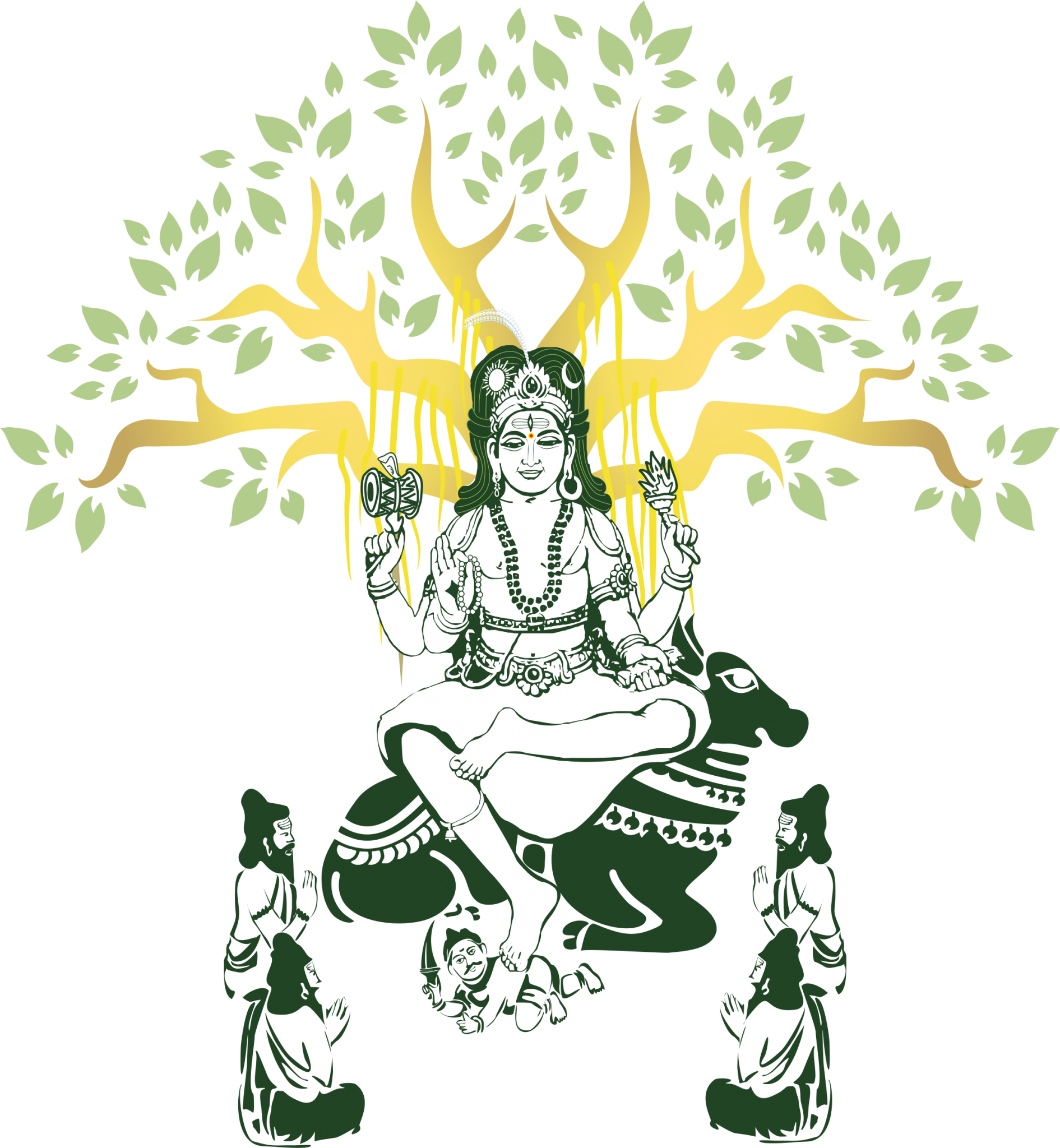
Lord Daksinamurti

They called it Reverse Hearts because it didn’t simulate love; it unmade it. Feed it a longing and it returned a lesson; press it with a confession and it supplied the calculus of consequence. The first published build, logged as v241228 and catalogued under rj01265325, was less a program than a seduction: neat columns of packetized empathy, a GUI wrapped in static-soft blues, a fail-safe labelled “Do Not Poke” that everyone poked at once.

News of v241228 spread like a rumor that smelled of ozone. Some hailed ntrxts as a new kind of healer: a device for people paralyzed by ambivalence. Others called Reverse Hearts a vandal; it stripped comforting lies and left some people raw. A university ethicist wrote a paper titled “Compassion via Contradiction” and included a footnote about informed consent; a forum of artists began feeding the machine poems and staging performances around its blunt return.

On deployment night the lab smelled of solder and mint tea. The team clustered around, breath fogging the monitors, each holding a memory like glass. Ntrxts—only half a name, the rest deliberately erased—took the stage: a wiry person with a habit of smoothing their palms over their shirt as if calming an electric current. They fed Reverse Hearts a handful of diary entries, three voicemails, and a thread of messages that had cratered a small friendship. The machine gave back responses that were almost kind: crisp inversions that revealed what had been omitted, what had been assumed, and what had been cowardly unsaid.

v241228 became a study in human appetite. Some users wanted the machine to be their conscience; others wanted to use it to coerce. The team added safeguards—throttles, an explicit consent workflow, anonymization—but the core method remained the same: invert sentiment, highlight omission, present consequence. The reversals were formal and tidy: a grammar of what people hadn’t said, rendered in sentences that were coldly readable. People praised the outputs for their lucidity and cursed them for their cruelty.

ntrxts reverse hearts v241228 rj01265325

Arsha Vidya Gurukulam was founded in 1986 by Pujya Sri Swami Dayananda Saraswati. In Swamiji’s own words,

“When I accepted the request of many people I know to start a gurukulam, I had a vision of how it should be. I visualized the gurukulam as a place where spiritual seekers can reside and learn through Vedanta courses. . . And I wanted the gurukulam to offer educational programs for children in values, attitudes, and forms of prayer and worship. When I look back now, I see all these aspects of my vision taking shape or already accomplished. With the facility now fully functional, . . . I envision its further unfoldment to serve more and more people.”

Ārṣa (arsha) means belonging to the ṛṣis or seers; vidyā means knowledge. Guru means teacher and kulam is a family.  In traditional Indian studies, even today, a student resides in the home of this teacher for the period of study. Thus, gurukulam has come to mean a place of learning. Arsha Vidya Gurukulam is a place of learning the knowledge of the ṛṣis.

The traditional study of Vedanta and auxiliary disciplines are offered at the Gurukulam. Vedanta mean end (anta) of the Veda, the sourcebook for spiritual knowledge.  Though preserved in the Veda, this wisdom is relevant to people in all cultures, at all times. The vision that Vedanta unfolds is that the reality of the self, the world, and God is one non-dual consciousness that both transcends and is the essence of everything. Knowing this, one is free from all struggle based on a sense of inadequacy.

The vision and method of its unfoldment has been carefully preserved through the ages, so that what is taught today at the Gurukulam is identical to what was revealed by the ṛṣis in the Vedas.