Family relationships are built on a foundation of love, trust, and loyalty. However, when these bonds are tested, the consequences can be dramatic and far-reaching. Family dramas often revolve around conflicts, secrets, and misunderstandings that simmer beneath the surface, waiting to erupt into chaos.
In the classic soap opera "Dynasty," the character of Blake Carrington's (John Forsythe) hidden son, Adam, creates a web of deceit and betrayal that drives the plot of the show. The revelation of Adam's true identity sets off a chain reaction of events, exposing the dark underbelly of the Carrington family's seemingly perfect facade.
Family secrets can be a powerful catalyst for drama, creating a sense of mystery and suspense. When secrets are kept hidden, they can fester and grow, causing harm to individuals and the family as a whole. The revelation of a long-held secret can be a turning point in a family drama, leading to a cascade of consequences and conflicts.
One of the most compelling aspects of family drama is the complex interplay between family members. Sibling rivalries, parental favoritism, and generational conflicts can create tension and fuel drama. For example, in the hit TV show "This Is Us," the Pearson family's complex relationships are expertly woven together, revealing the intricate bonds between parents Jack and Rebecca and their three children. The show's exploration of themes such as grief, trauma, and identity creates a rich and emotionally charged narrative.
Family relationships are multifaceted and can be influenced by a range of factors, including cultural background, socioeconomic status, and individual personalities. The portrayal of complex family relationships in drama can provide a nuanced and thought-provoking exploration of the human experience.
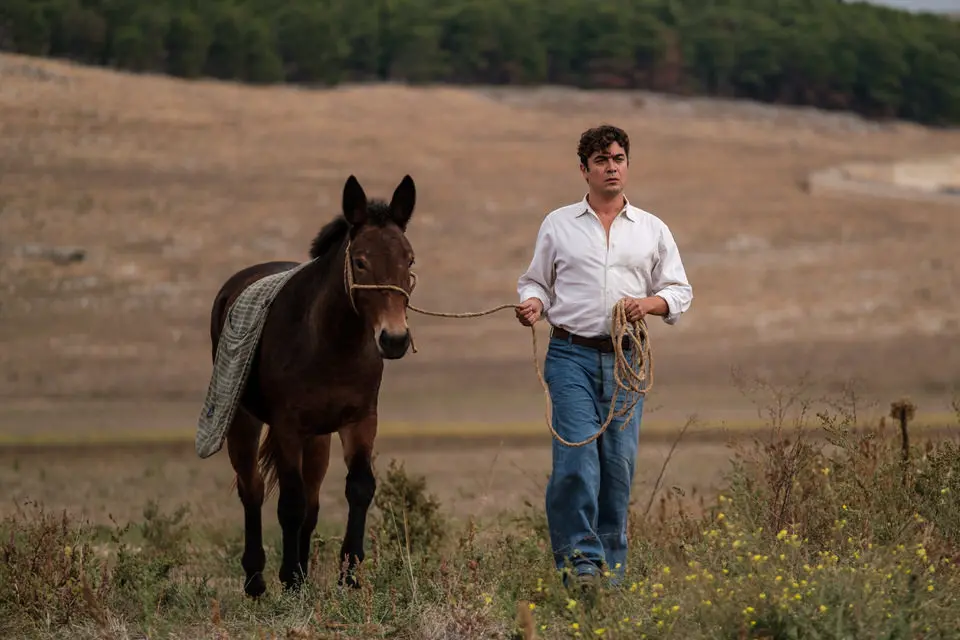
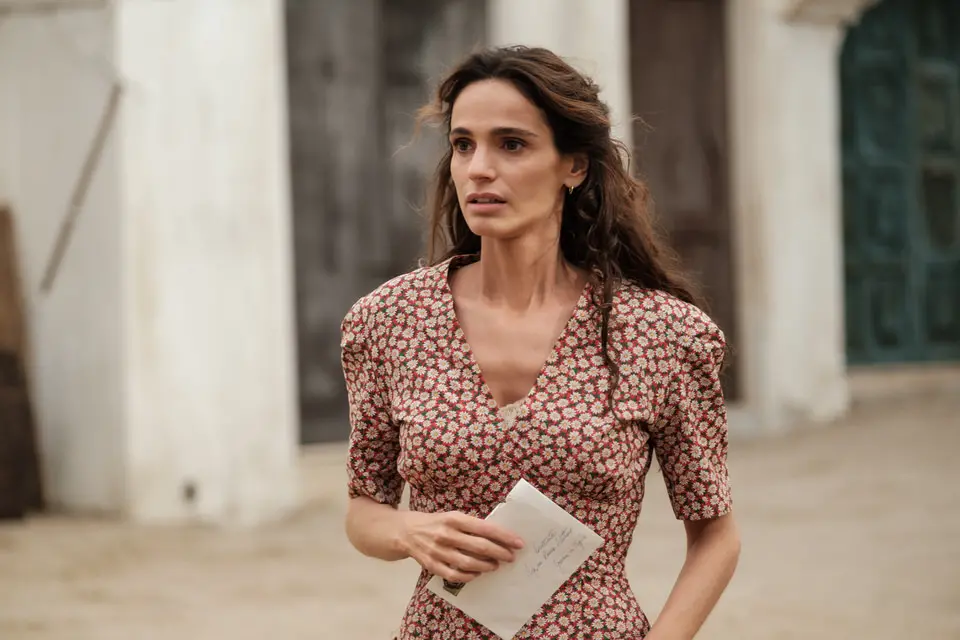
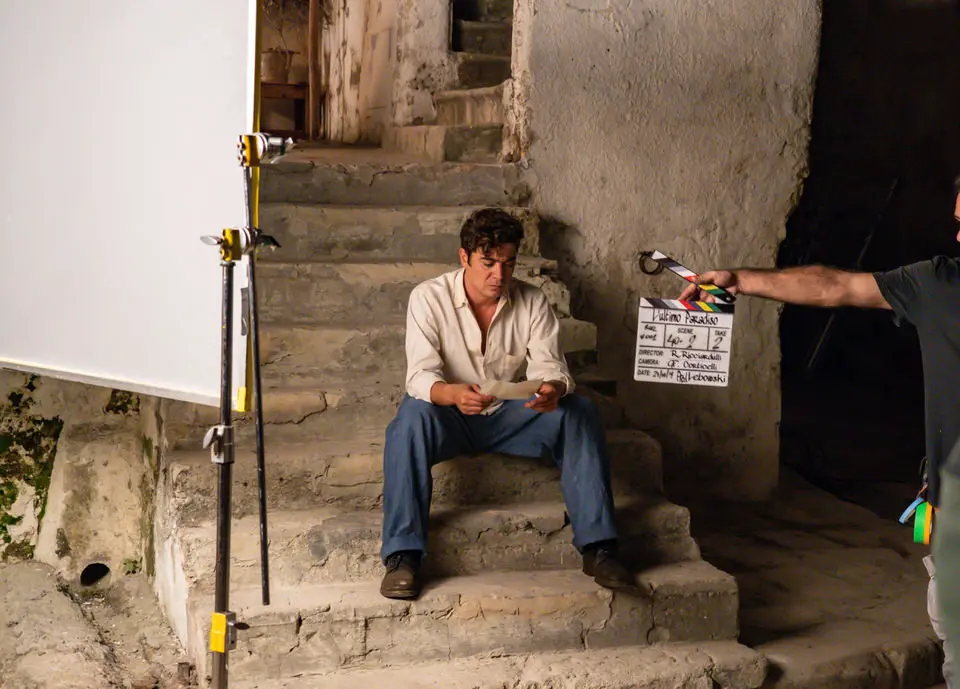
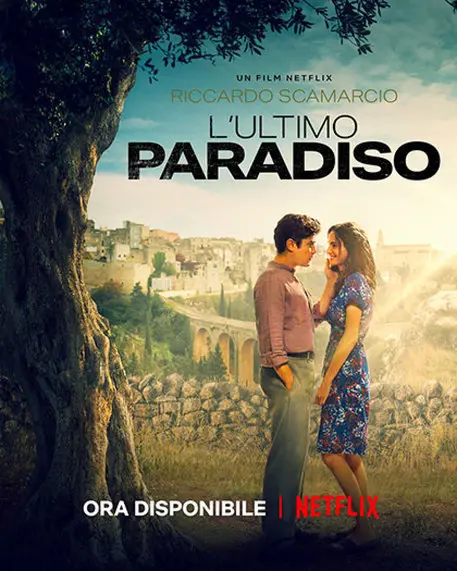
The director Rocco Ricciardulli, from Bernalda, shot his second film, L’ultimo Paradiso between October and December 2019, several dozen kilometres from his childhood home in the Murgia countryside on the border of the Apulia and Basilicata regions. The beautiful, albeit dry and arid landscape frames a story inspired by real-life events relating to the gangmaster scourge of Italy’s martyred lands. It is set in the late 1950’s, an era when certain ancestral practices of aristocratic landowners, archaic professions and a rigid division of work, owners and farmhands, oppressors and oppressed still exist and the economic boom is still far away, in time and space.
The borgo of Gravina in Puglia, where time seems to stand still, is perched at a height of 400m on a limestone deposit part of the fossa bradanica in the heart of the Parco nazionale dell’Alta Murgia. The film immortalizes the town’s alleyways, ancient residences and evocative aqueduct bridging the Gravina river. The surrounding wild nature, including olive trees, Mediterranean maquis and hectares of farm land, provides the typical colours and light of these latitudes. Just outside the residential centre, on the slopes of the Botromagno hill, which gives its name to the largest archaeological area in Apulia, is the Parco naturalistico di Capotenda, whose nature is so pristine and untouched that it provided a perfect natural backdrop for a late 1950s setting.
The alternative to oppression is departure: a choice made by Antonio whom we first meet in Trieste at the foot of the fountain of the Four Continents whose Baroque appearance decorates the majestic piazza Unità d’Italia.
The director Rocco Ricciardulli, from Bernalda, shot his second film, L’ultimo Paradiso between October and December 2019, several dozen kilometres from his childhood home in the Murgia countryside on the border of the Apulia and Basilicata regions. The beautiful, albeit dry and arid landscape frames a story inspired by real-life events relating to the gangmaster scourge of Italy’s martyred lands. It is set in the late 1950’s, an era when certain ancestral practices of aristocratic landowners, archaic professions and a rigid division of work, owners and farmhands, oppressors and oppressed still exist and the economic boom is still far away, in time and space.
The borgo of Gravina in Puglia, where time seems to stand still, is perched at a height of 400m on a limestone deposit part of the fossa bradanica in the heart of the Parco nazionale dell’Alta Murgia. The film immortalizes the town’s alleyways, ancient residences and evocative aqueduct bridging the Gravina river. The surrounding wild nature, including olive trees, Mediterranean maquis and hectares of farm land, provides the typical colours and light of these latitudes. Just outside the residential centre, on the slopes of the Botromagno hill, which gives its name to the largest archaeological area in Apulia, is the Parco naturalistico di Capotenda, whose nature is so pristine and untouched that it provided a perfect natural backdrop for a late 1950s setting.
The alternative to oppression is departure: a choice made by Antonio whom we first meet in Trieste at the foot of the fountain of the Four Continents whose Baroque appearance decorates the majestic piazza Unità d’Italia.
Lebowski, Silver Productions
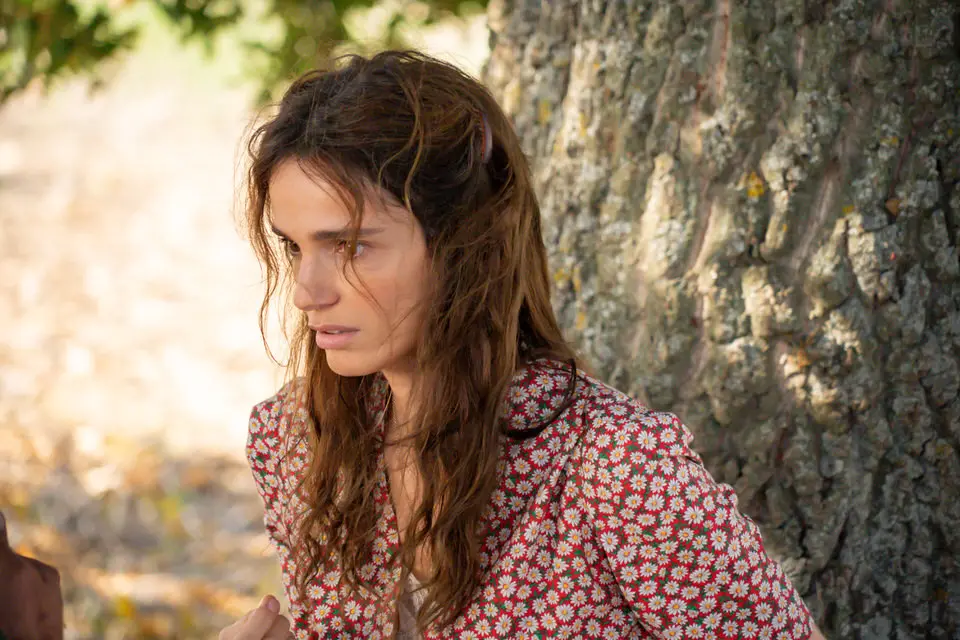
In 1958, Ciccio, a farmer in his forties married to Lucia and the father of a son of 7, is fighting with his fellow workers against those who exploit their work, while secretly in love with Bianca, the daughter of Cumpà Schettino, a feared and untrustworthy landowner.
Family relationships are built on a foundation of love, trust, and loyalty. However, when these bonds are tested, the consequences can be dramatic and far-reaching. Family dramas often revolve around conflicts, secrets, and misunderstandings that simmer beneath the surface, waiting to erupt into chaos.
In the classic soap opera "Dynasty," the character of Blake Carrington's (John Forsythe) hidden son, Adam, creates a web of deceit and betrayal that drives the plot of the show. The revelation of Adam's true identity sets off a chain reaction of events, exposing the dark underbelly of the Carrington family's seemingly perfect facade.
Family secrets can be a powerful catalyst for drama, creating a sense of mystery and suspense. When secrets are kept hidden, they can fester and grow, causing harm to individuals and the family as a whole. The revelation of a long-held secret can be a turning point in a family drama, leading to a cascade of consequences and conflicts.
One of the most compelling aspects of family drama is the complex interplay between family members. Sibling rivalries, parental favoritism, and generational conflicts can create tension and fuel drama. For example, in the hit TV show "This Is Us," the Pearson family's complex relationships are expertly woven together, revealing the intricate bonds between parents Jack and Rebecca and their three children. The show's exploration of themes such as grief, trauma, and identity creates a rich and emotionally charged narrative.
Family relationships are multifaceted and can be influenced by a range of factors, including cultural background, socioeconomic status, and individual personalities. The portrayal of complex family relationships in drama can provide a nuanced and thought-provoking exploration of the human experience.